Portrait conversion
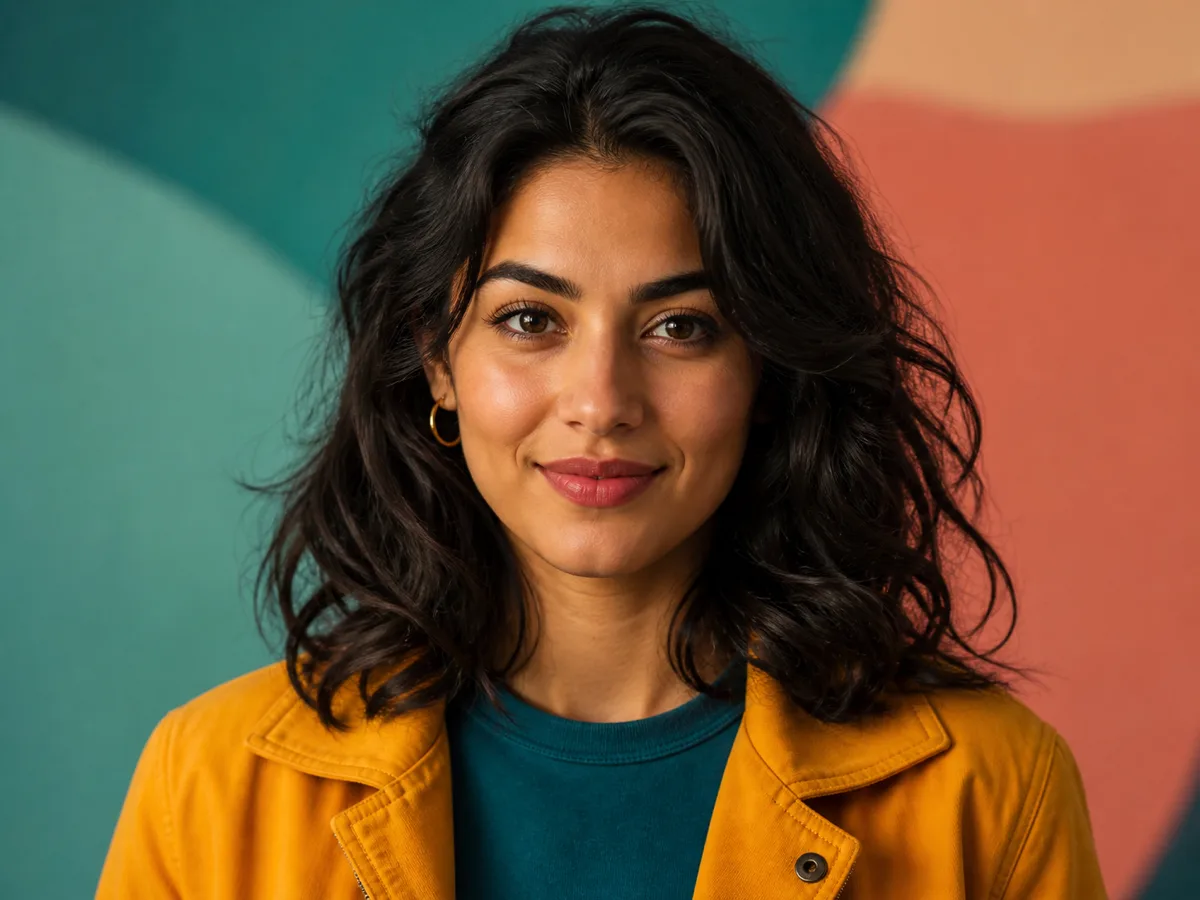
Fine hair, skin tones, and a bold jacket make palette reduction easy to spot.
 PixelArtNow
Editable image to pixel art maker
Use this image to pixel art converter to turn a photo or illustration into a deliberate pixel grid and limited palette. Adjust the grid, colors, and dithering, refine individual cells, then export your image to pixel art as a PNG or printable pixel-pattern PDF.
One PNG, JPEG, or WebP · Up to 15 MiB · Up to 8192 × 8192 px and 40 megapixels
Browser-based image processing. No PixelArtNow image-upload or cloud-save feature.
One PNG, JPEG, or WebP · Up to 15 MiB · Up to 8192 × 8192 px and 40 megapixels
Choose 16–128 cells across. Height follows the source image proportions.
Choose 4–32 colors for the generated palette.
Dithering mixes available colors to suggest intermediate tones. It can add texture to gradients.
Transparency can be preserved from PNG or WebP sources. This tool does not remove backgrounds automatically.
A valid image starts with a 32-cell grid, 16 colors, no dithering, and preserved transparency when the source supports it.
Changes preview automatically. The latest image to pixel art setting is committed when you release the control or finish a keyboard change.
Changing grid, color, dithering, or background settings creates a new image to pixel art conversion and replaces manual cell edits.
Select a color, then paint or drag across cells. Changing a palette color remaps the result and updates the PDF legend.
Undo and redo keep the 20 most recent edit actions.
Use Paint, Pick color, or Erase. Keyboard users can move through the grid and apply the selected action to the focused cell.
Download the current image to pixel art result. PixelArtNow adds no watermark.
A raster image to pixel art output. The preview grid overlay is excluded unless the export control explicitly includes it.
A US Letter pattern with a grid, stable color numbers, and an RGB/hex palette legend. Large grids may continue across pages.
The PDF is not a vector file, bill of materials, material-quantity guide, or production-color guarantee.
A useful image to pixel art conversion does more than shrink or blur an image. PixelArtNow maps the source onto a deliberate cell grid and limited palette, then lets you correct individual cells before export.
A smaller grid produces larger, simpler blocks. A larger grid keeps more of the source shape and detail. Start at 32 cells across, then adjust within the 16–128-cell range for your image to pixel art result.
Fewer colors create a tighter, more graphic result. More colors preserve extra shading. Start at 16 colors and reduce the count when you want stronger separation in the image to pixel art preview.
None produces cleaner color regions. Floyd–Steinberg distributes color error across nearby pixels, which can make gradients look smoother but may add visible texture to your image to pixel art pattern.
PNG and WebP transparency can be preserved or replaced with a solid background. PixelArtNow does not automatically cut out a subject or create transparency where none exists, so the image to pixel art background stays predictable.
A reproducible conversion example
Each result below uses the same browser converter as the tool above. The portrait, landscape, and fox rotate automatically; hover or focus this area to pause and compare the four panels.
Portrait conversion
Fine hair, skin tones, and a bold jacket make palette reduction easy to spot.
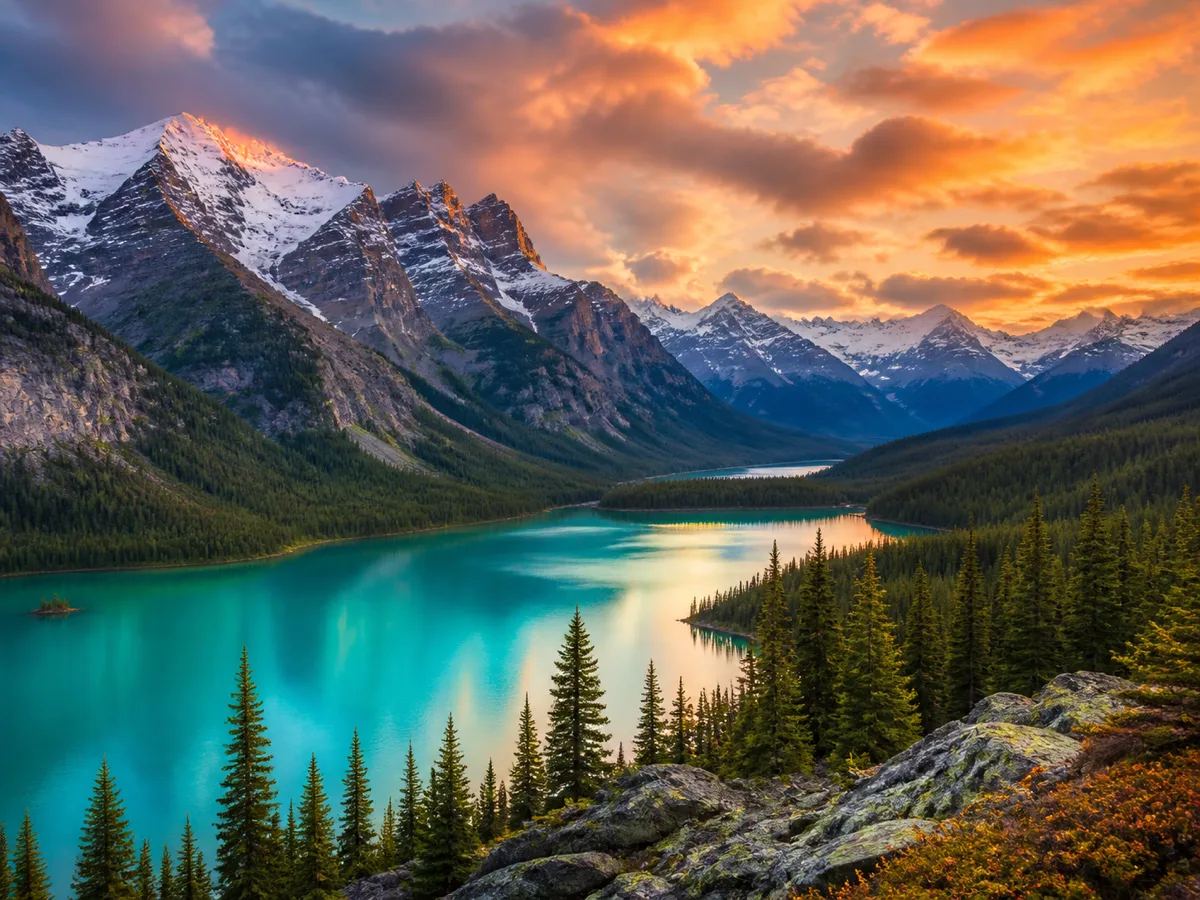
Landscape conversion
Layered mountains, water, and clouds expose how grid size handles depth.
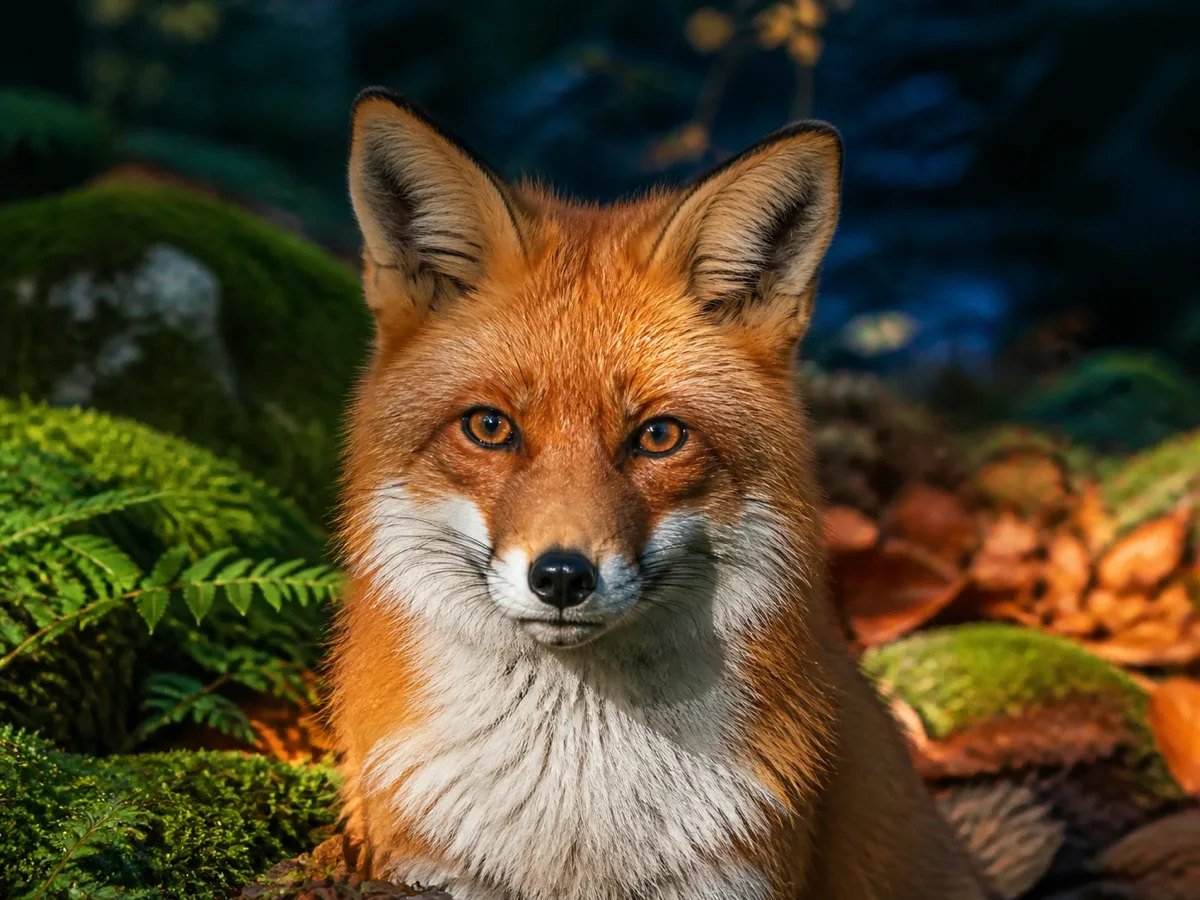
Animal conversion
The fox's fur and forest texture show where dithering earns its keep.
Portrait conversion
Fine hair, skin tones, and a bold jacket make palette reduction easy to spot.
Landscape conversion
Layered mountains, water, and clouds expose how grid size handles depth.
Animal conversion
The fox's fur and forest texture show where dithering earns its keep.
Start with a photo that has a clear subject and readable contrast. Choose 32 cells across and 16 colors for a balanced first pass, then reduce the grid for a bolder icon-like result or increase it when the subject needs more detail. Check the result at 100% before editing: a smaller grid should simplify the photo, not preserve every texture.
The converter derives a limited palette from the uploaded image after it has been sampled into grid cells. Use 4–8 colors when you want a tightly art-directed palette, 12–16 colors for most photos and illustrations, and more only when the extra shading improves the subject. The palette swatches remain editable, so you can simplify a near-duplicate color after conversion.
Automatic conversion is a starting point. Use cell-aligned paint, color picking, and erasing to clean edges or simplify small details in your image to pixel art grid. Undo or redo up to 20 recent edit actions.
Choose PNG for a raster image to pixel art asset. Choose the printable PDF when you need a numbered grid and palette legend on paper.
Choose PDF when you want to recreate a small sprite, cross-stitch-style reference, classroom exercise, or craft sketch away from the screen. The PDF keeps the numbered grid and palette legend together; print at actual size, compare the legend on paper, and treat the colors as a visual reference rather than a production color specification.
The editable image to pixel art grid can help you prepare a small raster asset, study a palette, or print a reference pattern. PixelArtNow does not currently export sprite sheets, atlas data, vectors, bills of materials, or material quantities.
Choose one PNG, JPEG, or WebP image for your image to pixel art conversion. PixelArtNow creates a default pattern automatically. Adjust the grid, color count, dithering, or background if needed, refine individual cells, then download PNG or a printable PDF.
Start with 32 cells across. Use fewer cells for a simpler, chunkier pattern or more cells to keep extra shape and detail; the current range is 16–128 cells across.
A smaller palette creates stronger color grouping, while a larger palette keeps more shading. Floyd–Steinberg dithering can suggest intermediate tones but may add texture; choose None for cleaner color regions.
Yes. The current tool lets you paint, pick a palette color, erase grid cells, and undo or redo the 20 most recent edit actions.
Yes. PNG provides a raster image. The printable PDF includes a numbered grid and RGB/hex palette legend, but it is not a vector file, bill of materials, material-quantity guide, or production-color guarantee.
The tool accepts one PNG, JPEG, or WebP up to 15 MiB, 8192 px per side, and 40 megapixels. GIF, SVG, HEIC, AVIF, TIFF, PSD, malformed, and zero-byte files are not supported.